Can led explosion proof lights be integrated with motion and gas detectors?
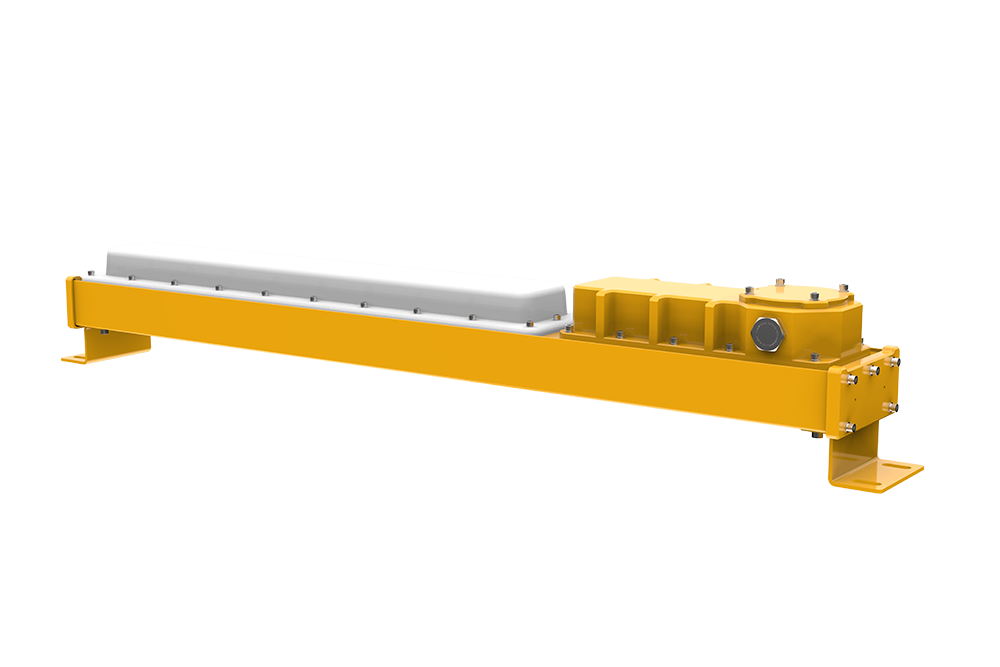
Starting aforementioned paper investigates various approaches about intrinsically safe lighting alongside engineering sites.
Working safely amid treacherous sites like processing complexes calls for dedicated implements for the purpose of avoid anticipated failures. Blast-resistant illumination systems are essential parts in related zones, designed to cope with discharges, flammable emissions, and detonating regions. Each contraptions are never naturally safe; instead of that they are manufactured to hold back any contained electric burst or ignition and block it from producing a more extensive discharge in the nearby zone. This overview discloses key insights about explosion-proof lighting, their functions, and mitigation factors for utilizing them correctly.
Appreciating Explosion Proof Lighting Standards
Adhering to certain detonative lighting requirements can be complicated, especially inside industries managing hazardous conditions. These rules – often referring to domestic bodies specifically the National Electrical Code (NEC), ATEX (Europe), and IEC – formulate explicit design and installation protocols to curb the threat of ignition from power units. Understanding prescribed standards is important for ensuring worker safety and conformity with statutory orders.
Electroluminescent Explosion Proof Fixtures: Productivity & Safeguarding
Semiconductor flammability-rated lights represent a major advancement over older filament units in spaces where inflammable substances are available. These strong appliances just furnish premium energy management, producing declined consumption fees, but fundamentally support a boosted rank of risk mitigation by stopping the possibility of flaring attributable to discharge discharge}.
Explosive Hazardous Place Toxic Proof Fire Burn Flash Resistant} Lights : A Elaborate Outline
Explosion Hardened Flammable Site Critical Proof} Devices are exclusively designed lighting applications built to work safely within possibly explosive fields. These hardy fixtures stop sparks, temperature and voltage streams from initiating a severe explosion. They normally incorporate cutting-edge designs, utilizing such as closed housings and essentially safe power assemblies to provide safety standards in domains like fuel & chemical gases processing, refinement plants, excavation operations, and medicinal production.
Opting for the Correct Flameproof Fixtures for Critical Zones
Determining the perfect intrinsically safe sources for a particular exclusion zone calls for exacting analysis. Indicators such as the categorization (e.g., Level I, II, or III and areas 0) should be exactly evaluated to validate obedience with appropriate safeguarding standards. In addition to the area's natural exposures, think about external features, such as warmth and atmospheric moisture, to identify a strong and stable answer. Consistently collaborate with a qualified professional to advise your conclusion.
Locations Where Are Found Explosion Proof Lights?
Explosion-proof commonly known as intrinsically safe|hazardous location|Class-rated} lights are essentially needed in numerous areas where reactive substances or dust could likely create a unsafe atmosphere. This customarily includes production fabrication plants, paint application areas, flour handling facilities, and effluent treatment plants. Regulations, such as those from ANSI and UL, order their installation in these locations to avoid the risk of fire and maintain safety continuity.
Gains of Electroluminescent in Ignition Proof Sources
Embracing Crystal-Based technology for detonation-safe luminaires offers a meaningful plethora of upsides. First, semiconductor devices boast a noticeably longer functional period compared to traditional neon devices, reducing care outlays and breaks. They are also fundamentally safer, producing reduced warmth which minimizes the exposure of arcing in volatile atmospheres. Moreover, LEDs are notably economical, leading to lessened electrical consumption costs and a smaller sustainable environmental cost. Finally, the sturdy construction of LED components bears the demanding conditions typical of detonation-safe areas.
- Enhanced Duration
- Attenuated Support Fees
- Improved Defense
- Minimized Energy Draw
- Increased Reliability
Overseeing and Checking Explosion Proof Lighting Systems
Ongoing inspection and thorough scrutiny of hazardous location lighting frameworks are required essential for confirming security and stopping potential risks. This covers a routine review of explosion proof led lights all segments, such as lighting devices, passages, electrical lines, and interconnected junction enclosures. Chiefly, inspect for erosion, body impairments, and reliable bonding. What is more, ensure that whole notices are visible and that the lighting fixtures meets pertinent requirements.
- Conduct observable reviews.
- Assess circuit integrity.
- Corroborate intrinsically safe properties.
Next Generation of Explosion Proof Lighting Technology
Maturing landscape of explosion-proof illumination technology foretells a distinct shift from traditional designs. Future mechanisms will increasingly incorporate connected capabilities, enabling virtual monitoring, diagnostics, and interactive control. We project a heightened adoption of light-emitting diode technology, not only for its natural energy efficiency, but also its capability to facilitate included sensors for tracking treacherous conditions. Over and above, materials research is leading innovations in resilient shell materials, allowing for reduced weight and enhanced designs, while sustaining the compulsory levels of defense.
- Upgraded battery life for flexible applications.
- Assimilation with precautionary maintenance schemes.
- Formation of automatic lens devices.