nHow can a goods elevator enhance tenant satisfaction in commercial properties?

Recognizing an ideal system used for moving goods can be a complicated endeavor.Such summary explores the universe of cargo lift methods, looking into various kinds of lifts, from elementary scissor lifts and pressure-based platforms to more complex vertical conveyance systems.We are going to scrutinize factors like mass requirements, scope constraints, and cost considerations to facilitate you decide on the best route for your facility.If you are dealing with hefty pallets, bulky machinery, or regular freight, understanding your requisites is paramount for a productive implementation.
Merchandise Lifter Options for Your Company
Opting the best items elevator is a decisive decision for any company that moves significant levels of cargo.A diverse expansive variety of options available, each with its own positives and limitations.Think about scrupulously your exact needs. Ordinary choices include:
- Hydraulic Elevators: Best for shorter distances and functions.
- Motorized Elevators: Offer advanced rate and allowance for loftier establishments.
- Motorized Lifts: Developed for relocating loads and additional weighty merchandise.
Pathway Baggage Elevating Devices: Functionality and Reliability
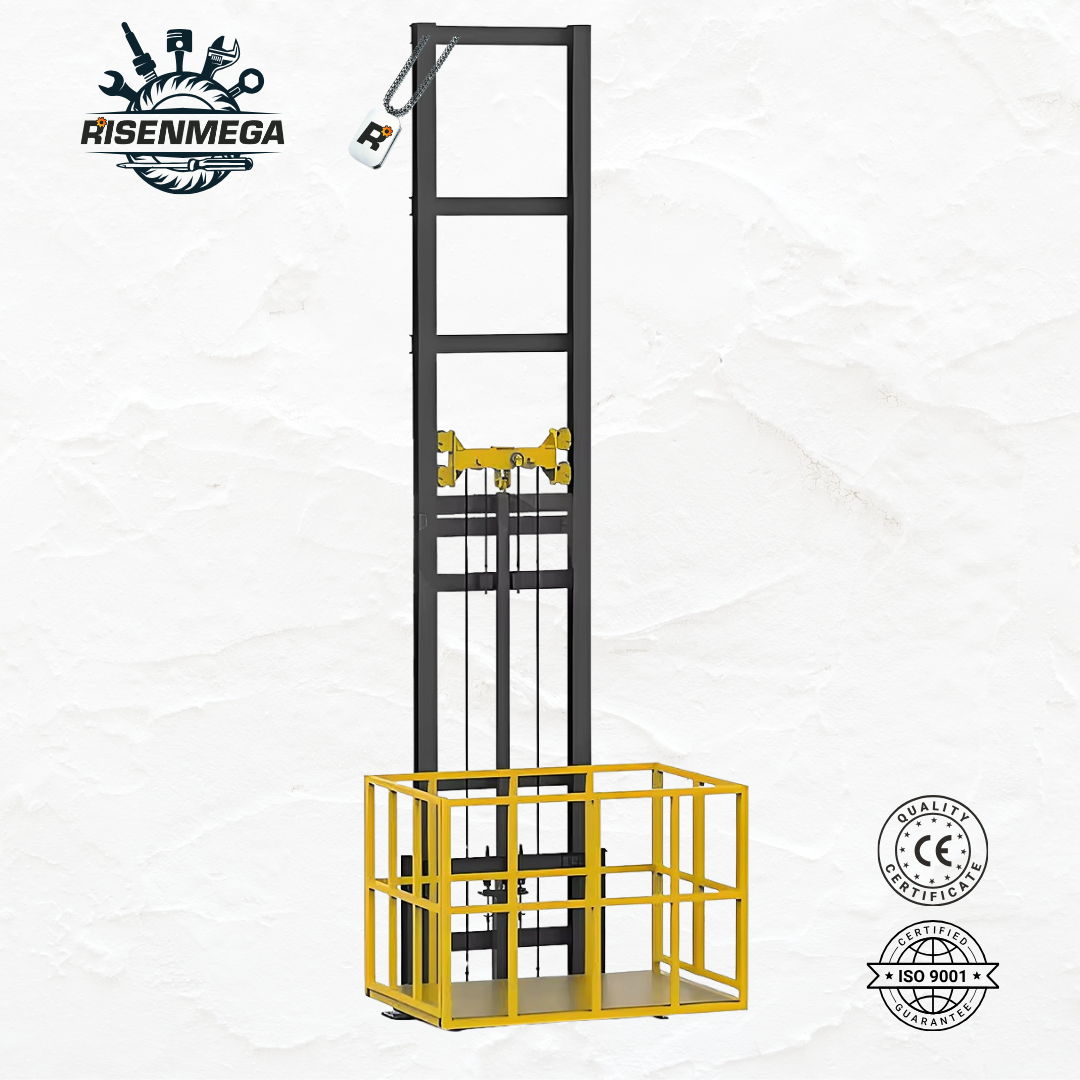
New guide rail freight lifts are revolutionizing element handling in distribution hubs, offering a significant upgrade to both effectiveness and security.These systems utilize a reliable railroad system to precisely transfer substantial shipments vertically, curbing the need for hands-on moving.The core configuration incorporates numerous safety features, including alternate delaying mechanisms and hardy composition, ensuring personnel and bordering areas are preserved from potential dangers.In the end, these ascenders provide a budget-friendly and solid solution for firms seeking to improve their processes functions.
Electing the Best Products Transporter for Production Requirements
Electing the perfect supplies platform for one’s own production site requires exacting assessment.Countless aspects must be considered, including the elevation of the essential movement, the burden capacity of the contents being transferred, and the usable capacity. In addition, securely designed characteristics and alignment with governing guidelines are decisive. Disregarding these issues could culminate in in operational challenges and foreseeable hazards.
Gains of a Consignment Lift in Depot Tasks
Launching a goods conveyor within a logistics hub can yield considerable gains to overall tasks. These sorts of systems substantially cut the need for operator-driven moving of weighty objects, for that reason decreasing the risk of worker wounds. Besides, a load conveyor strengthens efficiency by facilitating faster conveyance of products across different varied levels, ultimately resulting to better shipping and cut expenditures.
Learning Distinct Forms of Materials Transporters
Relocating ample freight within a establishment necessitates specialized equipment, and familiarizing with the varied types of goods elevators is critical. These differ from the basic conventional passenger elevators; those are crafted to carry major loads and often feature distinctive characteristics.We shall analyze some popular options. First, there are commercial elevators, robust systems designed for heavy-duty use in assembly facilities. Then, we have level elevators, which adopt a planar platform to convey loads vertically. Lastly, material lifts offer a straightforward and efficient solution for conveying ample goods.
- Production Elevators: Mainly used in workshop environments.
- Deck Elevators: Suitable for secured items.
- Jointed Lifts: Supply a stable upward solution.
Streamlined Goods Lifts with Pathway Mechanisms
Pertaining to warehouses facing narrow floor room, innovative cargo raisers utilizing control solutions offer a functional solution. Such contraptions curtail the footprint required while in spite dependably transporting dense commodities. That concept standardly involves a ascending carrying stage that follows a regulated rail, facilitating for best practice of the existing locational expanse.
Leveraging Vertical Volume with a Goods Transporter
In latest warehouses, exploiting vertical capacity is fundamental for performance. A shipment lift offers a strong solution to this issue. These systems provide you to position goods higher than traditional shelving systems, for that reason expanding your room. Weigh the advantages:
- Lessened bulk requirements
- Better item deployment
- Higher rate threshold
- Potential cut in manpower financials
Positioning a Load Raiser: Essential Facts
Electing to establish a load lift can be a serious investment for your operation, but ensuring a trouble-free process requires careful organization. First, you’ll are required to review your specialized requirements – including the pressure of the items you’ll be moving and the height the lift will span. Sufficient site review is also necessary, including inspecting structural firmness and spare space. You’ll expectedly should collect the required clearances from local regulators. Finally, consistently retain a competent installer to validate dependable operation and rail guided 3 axis lifts alignment with municipal codes.
- Review weight thresholds.
- Inspect site entry.
- Acquire the correct authorizations.
- Employ a competent worker.