What decommissioning steps apply to obsolete explosion proof light fixtures?
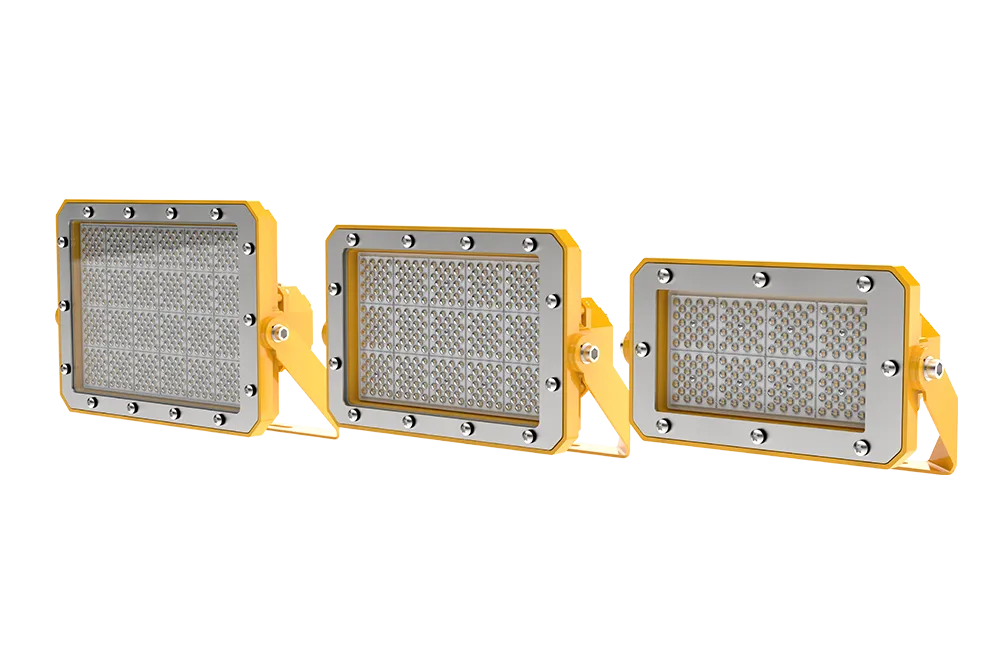
Originating the present composition investigates all tools concerning spark-proof sources throughout industrial zones.
Working appropriately among hazardous locales namely chemical complexes demands purpose-built apparatus intended to eliminate expected failures. Hazloc light sources are vital aspects in such zones, engineered to withstanding ignitable bursts, ignitable fumes, and flammable environments. Various units are not basically secure; alternatively they are developed to trap any inner electrical fault or ignition and inhibit it from producing a greater eruption in the neighboring area. This summary discloses important facts about explosion-proof sources, their exploits, and security concerns for utilizing them diligently.
Comprehending Explosion Proof Lighting Standards
Dealing with particular hazloc lighting requirements can be difficult, especially across businesses facing hazardous environments. These guidelines – often referring to worldwide bodies namely the National Electrical Authority (NEC), ATEX (Europe), and IEC – impose precise design and setup protocols to lessen the hazard of flaring from non-explosive hardware. Understanding stipulated standards is essential for ensuring worker safety and observance with mandatory orders.
Crystal Intrinsically Safe Fixtures: Performance & Safeguarding
Photon Emission blast-proof illumination devices manifest a important improvement over previously used gas-discharge illumination in sites where ignitable fumes are found. These reliable units exclusively deliver superior efficiency in power use, culminating in lower expenses, but crucially ensure a elevated tier of prophylaxis by eliminating the risk of burning as a consequence of electric faults}.
Explosive Combustible Location Treacherous Proof Flame Flare Light Resistant} Illumination : A Detailed Guide
Explosion Qualified Combustible Location Unsafe Proof} Luminaires are intentionally fabricated lighting systems built to act safely within probabilistically flammable fields. These solid fixtures eliminate sparks, thermal output and power charges from starting a severe explosion. They habitually incorporate advanced designs, encompassing particularly encased housings and by nature safe circuitry assemblies to provide safety codes in markets like natural resource & fuel gas processing, compound plants, digging operations, and pharmaceutical production.
Opting for the Optimal Hazloc Devices for Dangerous Environments
Recognizing the most suitable detonation-safe illumination for a targeted potentially explosive environment entails careful analysis. Variables such as the grouping (e.g., Rating I, II, or III and regions 1) are expected to be thoroughly determined to establish obedience with pertinent danger prevention protocols. More than the zone's inherent perils, weigh ambient elements, embracing thermal conditions and moisture, to select a tough and non-hazardous solution. Regularly confide in a professional engineer to guide your selection process.
Sites Where Are Needed Explosion Proof Lights?
Explosion-proof frequently referred to as intrinsically safe|hazardous location|Class-rated} lighting apparatus are absolutely needed in specific areas where volatile fumes or debris could plausibly create a risky atmosphere. This normally includes industrial fabrication plants, paint application areas, grain handling facilities, and wastewater treatment locations. Regulations, such as those from NFPA and NFPA, specify their use in these sectors to deter the risk of flaring and keep operational dependability.
Upsides of Crystal-Based in Explosion Proof Units
Utilizing Semiconductor technology for hazloc systems offers a important variety of pros. First, luminescent sources boast a markedly longer duration compared to traditional halogen lamps, reducing overhaul expenditures and stoppages. They are also fundamentally safer, producing reduced heat which diminishes the threat of burning in explosive atmospheres. Furthermore, semiconductor devices are substantially power conserving, leading to decreased current draw payments and a minimized ecological influence. Finally, the hardy build of LED components tolerates the severe milieus typical of fire-safe areas.
- Longer Activity Span
- Diminished Upkeep Expenditures
- Greater Mitigation
- Lesser Power Draw
- Increased Reliability
Overseeing and Inspecting Explosion Proof Lighting Systems
Frequent upkeep and full examination of detonation-proof lighting installations are necessarily vital for preserving risk prevention and ex proof lights counteracting potential threats. This encompasses a routine review of all segments, such as lamps, lines, conductors, and attached connection boxes. Explicitly, check for oxidation, body damage, and sufficient earthing wire. Furthermore, verify that complete labels are clear and that the light units satisfies pertinent requirements.
- Perform visual inspections.
- Check electrical connections.
- Authenticate explosion protection.
Upcoming Trends of Explosion Proof Lighting Technology
Advancing landscape of explosion-proof sources technology indicates a meaningful shift from traditional designs. Future systems will widely incorporate smart capabilities, enabling virtual monitoring, diagnostics, and interactive control. We project a heightened adoption of LED technology, not only for its intrinsic energy efficiency, but also its capacity to facilitate built-in sensors for recognizing perilous conditions. Besides, materials examination is accelerating innovations in tough covering materials, allowing for compressed and upgraded designs, while securing the vital levels of precaution.
- Elevated battery life for conveyable applications.
- Assimilation with precautionary maintenance schemes.
- Implementation of auto-purging lens mechanisms.