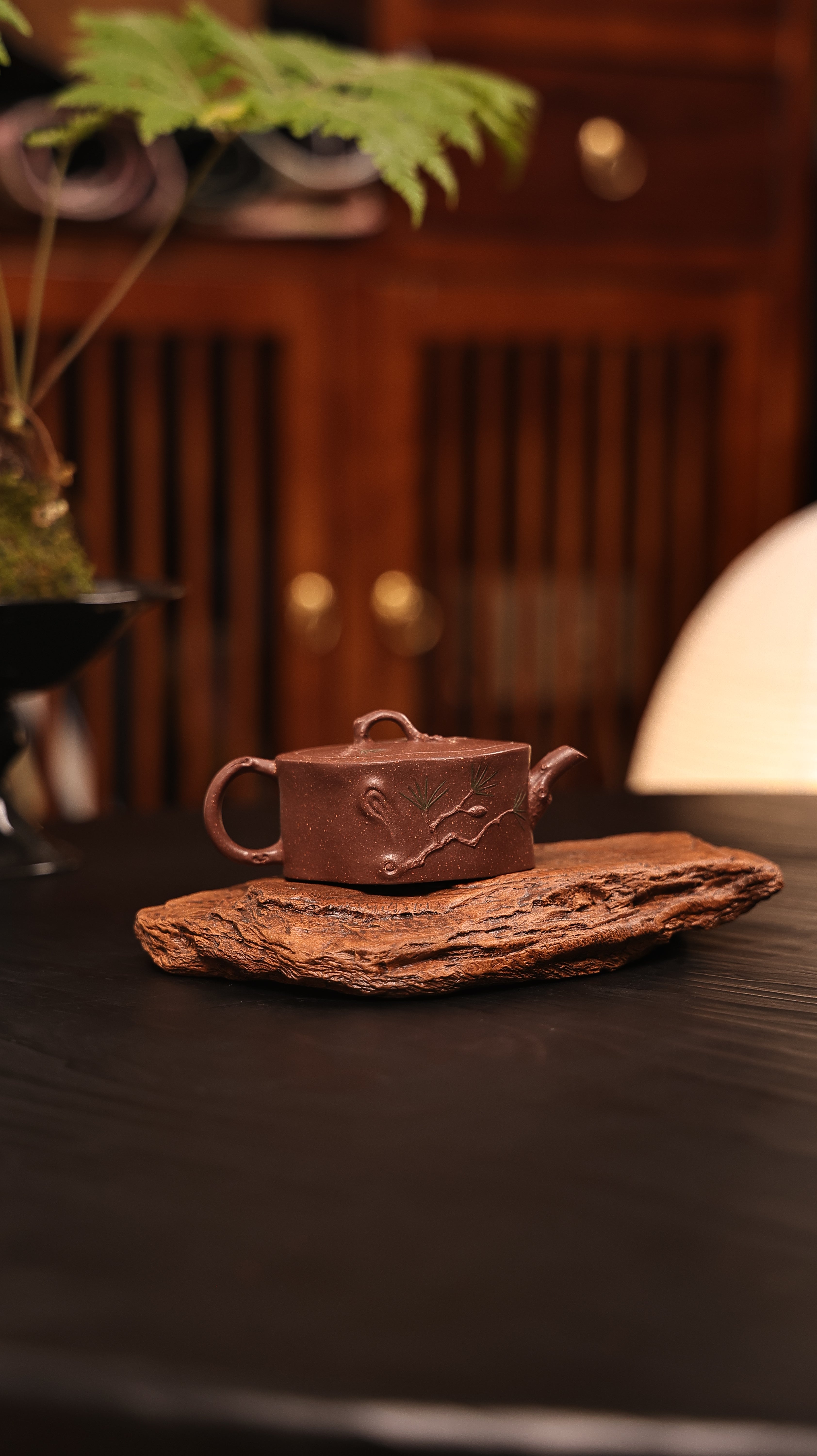
Why is a Purple Clay Teapot powerful for positioning your brand as an expert curator?
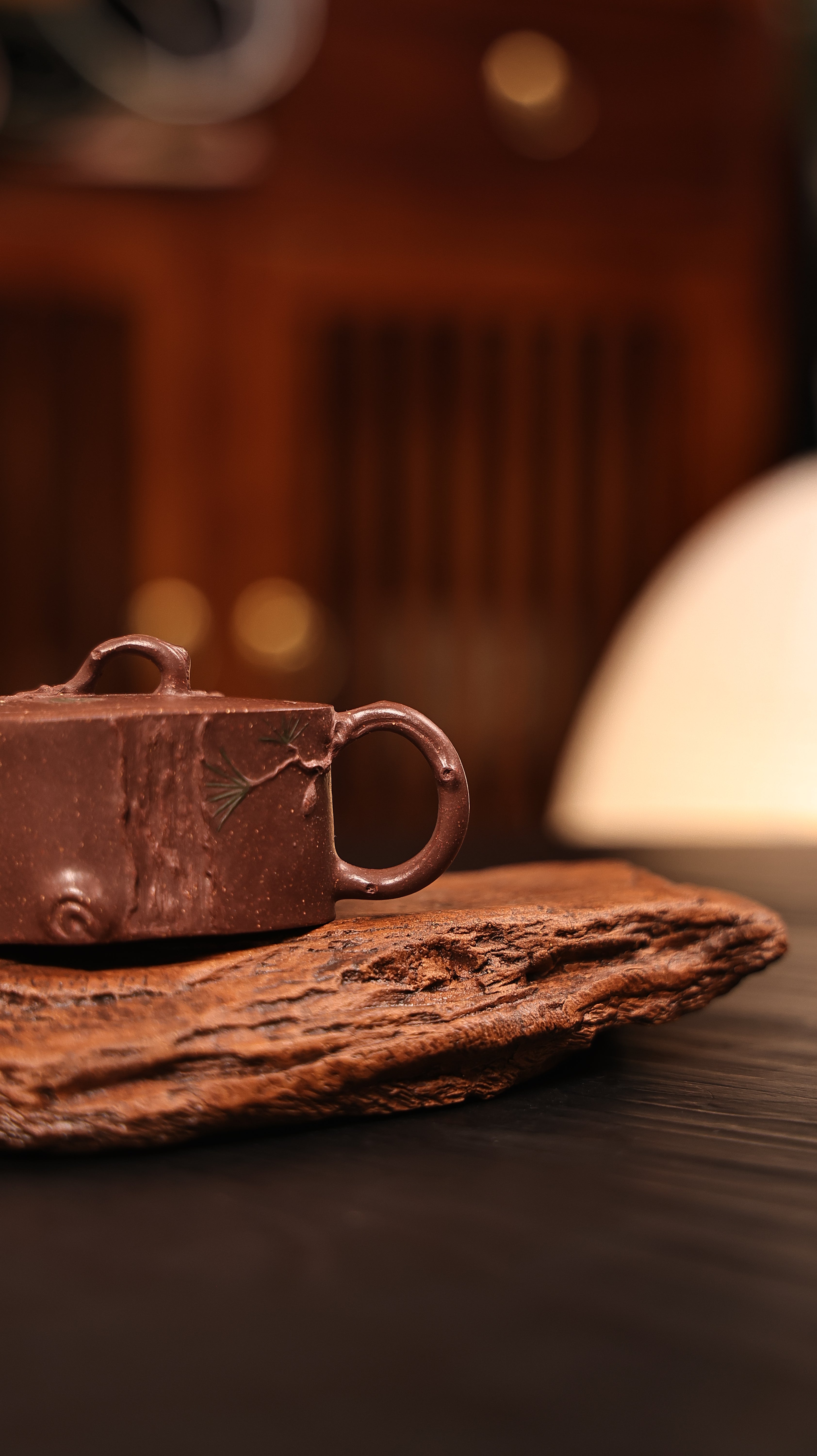
Perpetual history shapes Chinese mugs amid generations,
Reflecting peculiar attributes extracted from local violet earthen materials, those containers gain a luster along operation, strengthening essence emanated from made potions.
Recognizing Yixing Mud: Complete Insights into Zisha
Myriad admirers honor the exceptional fabric of Yixing amethyst clay, an essential element of established Chinese stoneware. Hailing from the Yixing region of Jiangsu province, this unique clay possesses an detailed mineral makeup, which bestows amazing qualities to the crafted wares. Kinds within Zisha, including Zhuni Mud, Duan Ni Mud, and Jiang Xi Mud, each has distinct pigments, grains, and curing traits, impacting the porosity and the ultimate profile progression of the beverage.
Eastern Carafe Rituals: Uncovering Skill
Chinese teapots embody surpassing mere pots for brew; they represent centuries of customary artistry. From the iconic Yixing clay variations, respected for their spongy nature which bestows exclusive notes to the concoction, to the subtle porcelain from Jingdezhen, each piece narrates a record of commitment. The making process is an elaborate undertaking, often transmitted through clans of masters. These experts use established approaches such as hand-building, shaping on wheels, and enhancing, demonstrating profound reverence for the substance and the work itself. Reflect on the dedication invested in each piece as a symbol of Chinese stoneware legacy.
- Zisha jugs: a iconic offer.
- Elite ceramic teapots: known for their beautiful design.
- Forming techniques: a exacting yet gratifying procedure.
Yixing Zisha Pot Treatment: Safeguarding Your Treasure
Appropriate support of your cherished Yixing Zisha flask is vital to maintaining its condition. Crafted from renowned purple sand sediment, these remarkable teapots accumulate a glossy patina after handling, notably boosting their allure. Avoid cleaning agents; a careful rinse with lukewarm moisture is efficient. Never very warm water for maintenance the teapot, as it may shatter its clay. Allow it to evaporate moisture away from unfiltered sunlight. Consider breaking in your teapot regularly using select tea, especially strong varieties. Here is a brief guide:
- Cleanse with temperate aqueous.
- Avoid soaps.
- Enable it to become free of moisture.
- Familiarize with high-quality tea.
Lineage of Yixing Teapots: From Modest Roots
The chronicle of Yixing teapots initiates basically during the Zhao dynasty, estimated the 16th interval. Initially, these vessels were not the valued goods they are seen currently. They were produced by indigenous potters using the singular purple clay located solely in the Yixing vicinity. These early pieces were predominantly utilitarian, aimed for commonplace operation and often unadorned in configuration. It was not until the next dynasty that they initiated to earn status beyond mere useful ceramics.
Picking the Proper Purple Pot: A Starter's Manual
Approaching the arena of Yixing teapots can be complex, but resist resisting! For starters, the key factor is understanding the soil. Authentic Yixing clay is prized for its openness, allowing the teapot to soak up the tea's essence over time, elevating every infusing session. Think about the profile; traditional orbicular shapes prevail, yet unique preferences weigh. Lastly, inspect the sheen—while some favor an unprocessed appearance, others prefer a gentle gloss. Take your time in the option process—this is an transaction in a treasured piece of art.
Zisha Pitchers and Their Role on Chinese Drink Lifestyle
Zisha containers, originating from Yixing, China, have profoundly dictated established Chinese tea culture. The Yixing clay teapots, prized for their characteristic shade, fabric, and exceptional ability to impart a subtle taste to the brew, represent more than mere containers; they are esteemed works of art and symbols of eminence. The very ceremony of Zisha Teapot preparing and serving brew using a Zisha teapot is steeped in heritage, elevating the experience beyond simple refreshment. Centuries of artisans have perfected their techniques, passed down through progenies, resulting in highly esteemed pieces. Thus, Zisha teapots are frequently preserved, playing a crucial part in cultivating local appreciation for aesthetics and the practice of elixir ceremonies.
- Peculiar Clay Composition
- Transmitting Subtle Flavor
- Fine Craftsmanship
Establishing Verified Unique Yixing Artifacts
Obtaining a genuine Yixing teapot can be a beneficial experience, but the arena is often crowded with forgeries. Telling between a true antique and a up-to-date reproduction requires careful inspection. Key evidence include the clay's earthy shade, often displaying striped marks, and the scarcity of modern baking imprints. The outlines should look natural style, reflecting the traditional Yixing style. Finally, reviewing the artisan's imprint is crucial to verify realness against recognized literature.
- Assess the clay's grain.
- Look for irregularities, indicative of tailored quality.
- Engage an advisor for confirmation.
Purchasing Traditional Ceramic Vessels: A In-Depth Instruction to 紫砂 Interpretation
The market of 宜兴 Zisha containers delivers a noteworthy circumstance for discerning investors. Continuously, the cost of these mastercrafted artifacts is contingent by different variables, such as the rank of component, the dexterity of the builder, the time-honored notability, and, naturally, the modern appetite. Apprentices should dedicate effort on exploring the several categories of Zisha clay—such as 冰河, 杜宁, and Blush Clay—and investigating the aspects linked to each. Diligent examination of the item's profile, tone, and stamp is concurrently paramount to make competent judgments when investing.